There’s a story being told in America right now. You’ve seen the headlines—you know what I’m talking about. This is a story of despair, of profound hopelessness, of people who sit back and watch the unraveling of their country, as though it’s a movie playing on a screen they can’t step into. We’re told we’re powerless. We’re told that corruption is inevitable, that politicians will always be bought and sold, that nothing we do matters.
That story is a lie.
What’s killing this nation isn’t just corruption in Washington or greed in corporations. What’s killing us is the silence of millions who still believe they can stand outside politics, as though it doesn’t touch their lives. Political apathy is the disease of our time, of our generation—it’s quiet, subtle, spreading faster than outrage itself. We don’t recognize its symptoms until it’s too late: a shrug at the latest scandal, numbness at mass shootings, a muttered “that’s just how it is” when another law chips away at human dignity.
Apathy is not neutrality.
Apathy is surrender.
And here’s the truth we have to face: there is no such thing as an “apolitical” person. To be alive in this country, to work a job, to have to pay bills, to walk into a doctor’s office, to send a child to school—all of it is political. Rent is political. Healthcare is political.
The water you drink, and the air you breathe are inherently political. The minimum wage is political. The student debt crisis is political.
The myth of apoliticism is a luxury, only afforded to those who think they can afford to ignore the system. But they’ll learn that the system doesn’t ignore them.
We, as a society, are drowning in headlines, in breaking news banners, in feeds designed to shock us for ten seconds, and then slide us on to the next story. We are living in a culture that makes tragedy into background noise. And when tragedy becomes simple wallpaper, a decor to the design of our lives, injustice thrives.
Do you remember when a mob stormed the Capitol on January 6th? For a few weeks, it consumed the country. Then, like smoke, it drifted from the public conscience.
Do you remember the images of children in cages at the border? For a time, the nation raged. “This is terrible!” people exclaimed, “Someone must do something!” Then the stories stopped trending, and our outrage softened into silence.
Do you remember Uvalde? Sandy Hook? Orlando? Buffalo? The shootings blur together now, each one briefly covered, barely mourned, and then pushed aside to make way for the next catastrophe.
We cannot afford to be numb. Every time we treat politics like entertainment, like a reality show to be debated over dinner before moving on, we help rot the foundation of this country. When we mistake online performance for action, we become part of the problem.
I’m talking to you, Instagram warriors.
Reposting an infographic to Instagram, and calling it a day is not activism. It is digital theatrics. It makes you feel righteous for a moment, but it costs nothing, and it changes nothing.
Politicians count on this cycle: outrage, post, distraction, repeat. As long as we never take that outrage offline—to the streets, to the phone lines of our representatives, to the ballot box—then we are harmless to them.
“Someone should do something!”
No, you should do something.
The brutal truth is this: if your politics exist only on your story feed, you are as much a participant in the culture of apathy as those who openly declare they “don’t care about politics.” To consume injustice without acting is to feed it.
Think of the abolitionists who risked their lives to run the Underground Railroad. Think of the suffragists who were jailed, and beaten because they demanded their right to vote.
Think of John Lewis and the marchers on Bloody Sunday, their skulls cracked open on the Edmund Pettus Bridge so the Voting Rights Act could be born.
Think of Harvey Milk, assassinated for daring to stand up for LGBTQ rights. Think of the countless unnamed labor organizers who were shot, jailed, or blacklisted so we could have weekends, a minimum wage, and safer workplaces.
And today, when we shrug, when we click repost and call it a fight, we dishonor that sacrifice. We inherit their battles and tell ourselves we’re too busy, too powerless, too tired to carry them forward.
That is not humility. That is not realism. That is betrayal.
Make no mistake: there are people in power who want you to feel small. They want you to believe you are voiceless, that you are a victim of the system, that your only role is to survive the fallout of their decisions. A disempowered public is a controlled public. A numb, distracted people are easier to rule.
But America has always been more than its leaders. This country, at its best, has been defined by its people—by the stubborn insistence of ordinary citizens who refused to accept that the story was already written. The phrase “We the People” is not a platitude. It is the blueprint of our nation. It is the reminder that government only exists with the consent of those it governs.
When we wake up to that truth, when we refuse to be victims, we become dangerous to those who would rather rule over silence than answer to a chorus of voices.
You are not powerless. You are not “just one person.” You are a citizen of a democracy, and that is both a privilege and a responsibility.
Do not confuse inaction with safety. The cost of doing nothing is always paid by someone else—the poor, the marginalized, the silenced. And eventually, it will be paid by you too.
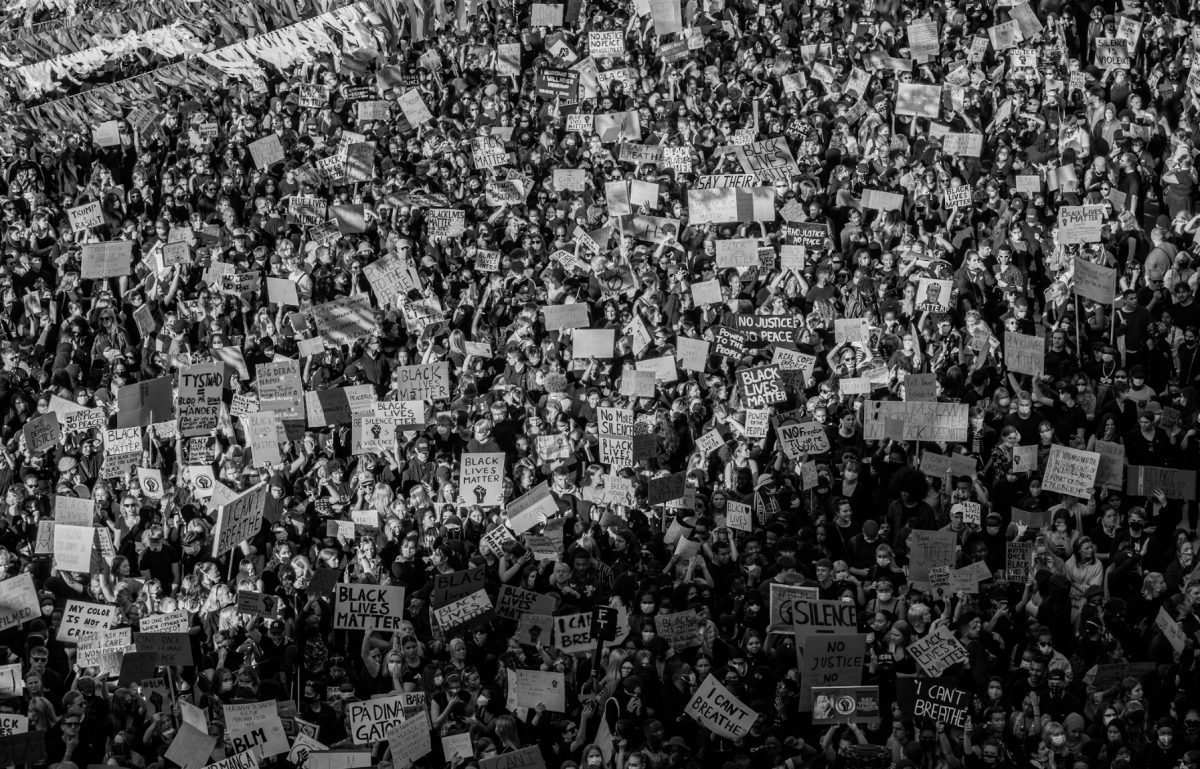
So volunteer. Phone bank. Donate. Protest. Show up. Call your senators until their aides know your name. Organize in your community. Challenge yourself. Challenge the people around you. Fight the urge to scroll past suffering. Act.
America is not finished. It is not broken beyond repair. This country is not beyond saving—but it will not save itself.
We are the ones we’ve been waiting for. The question is whether we are ready to wake up and take back the power that has always been ours.
This is not just a political fight. It is a fight for the soul of what America could be.
And it starts when you realize that you aren’t a victim.