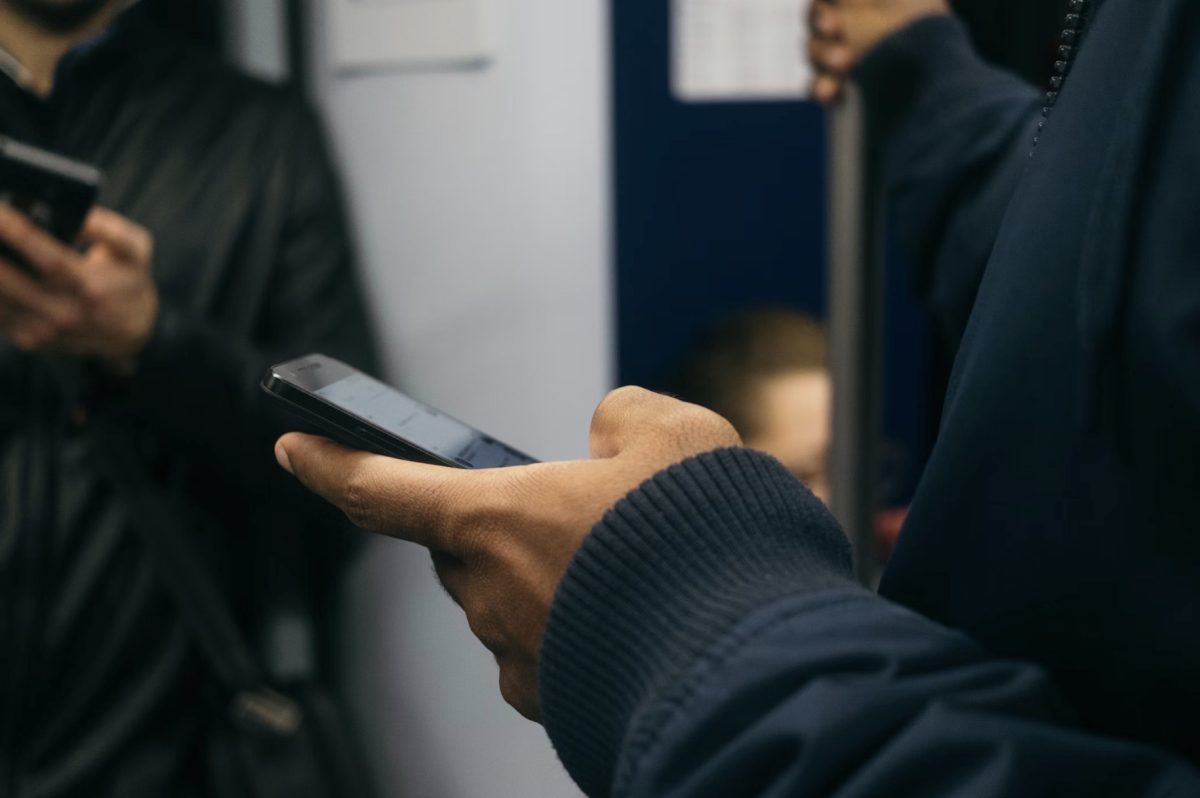
There is a particular cruelty to how informed we are and how little we do with it. We scroll through wars before breakfast. We double-tap tragedy between classes, shifts, and meetings. We know the language now—colonialism, mutual aid, state violence, abolition. We can identify injustice in three seconds flat. And yet, politically, we have never been more inert.
Psychologists call it the bystander effect: the more people who witness harm, the less likely any one person is to intervene. In 2026, the crowd isn’t on a sidewalk—it’s online. Millions of us are watching. Almost none of us are acting.
We mistake proximity for participation. Knowing becomes standing in for doing. Posting becomes a stand-in for pressure. The infographic goes up; the conscience feels clear; the work ends there. It’s not that people don’t care. It’s that caring has been flattened into something aesthetic, consumable, and brief.
This is how apathy survives in an age obsessed with awareness.
Being an “internet warrior” is the safest role imaginable. It costs nothing. It risks nothing. It asks for no endurance, no follow-up, no discomfort. It is politics with the sharp edges sanded off—designed to be seen, not to change anything. The system doesn’t mind it. In fact, it thrives on it.
Power does not respond to “vibes”. It responds to disruption.
Your senator does not care how many times a post is shared. Their office does care when the phones don’t stop ringing. They care when town halls fill up. They care when donors get nervous and voters get organized. They care when pressure is sustained long after the algorithm moves on.
The truth we don’t like to admit is that posting feels like action because it delivers the emotional reward without the labor. It lets us perform righteousness while outsourcing responsibility to the collective. Someone else will call. Someone else will organize. Someone else will show up. Multiply that logic by millions, and nothing happens.
This isn’t a moral failure; it’s a structural one. Social media has trained a generation to believe that visibility equals impact. It doesn’t. Movements are not built on aesthetics. They are built on repetition, annoyance, persistence, and people who refuse to go away.
Real civic engagement is deeply unsexy. It is being on hold with a legislative aide. It is emailing the same office three times. It is voting in primaries no one posts about. It is showing up locally, where the margins are thin and the power is closer than we think. None of this fits neatly into a carousel post—and that’s the point.
History doesn’t ask who knew. It asks who acted.
We like to imagine we would have been different in another era—braver, louder, less passive. But this is the test we were given. Not whether we can articulate injustice, but whether we are willing to be inconvenient about it.
So post, if you must. Share, if it helps you learn. But don’t confuse documentation with participation. Don’t let awareness be the end of the line.
Call your senators. Learn their names. Make them remember yours.
Watching is easy. Doing is the work.